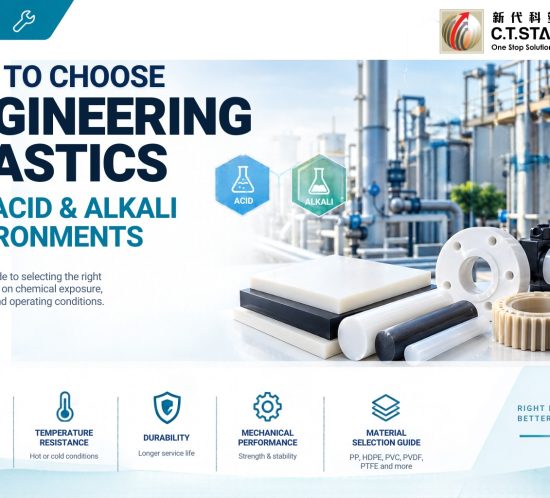
How to Choose Engineering Plastics for Acid and Alkali Environments?

Knowledge Center | Why Is? Series7 to 8 minutes reading timeIntroductionSelecting the right engineering plastic for chemical exposure is essential for reliable performance, reduced maintenance and longer component service life. In industries such as chemical processing, water treatment, semiconductor manufacturing and industrial equipment, plastic sheets,
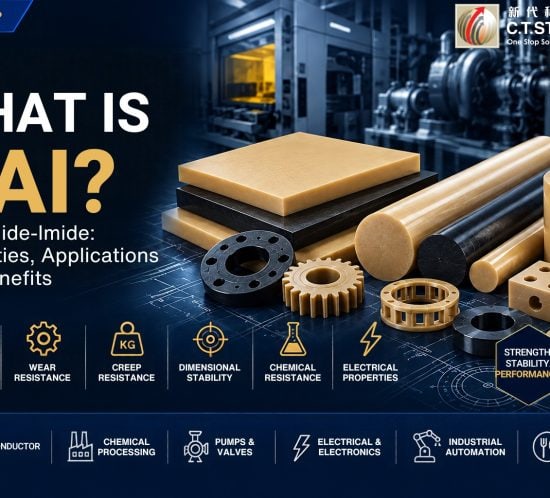
What Is PAI (Polyamide-Imide)? Properties, Applications and Benefits

6 - 7 minutes reading⭐ Material SnapshotMaterial: Polyamide-Imide (PAI)Material family: High-performance engineering thermoplasticKey strengths: High-temperature strength, wear resistance, creep resistance and dimensional stabilityTypical applications: Bearings, bushings, seals, valve seats, bearing cages and precision mechanical componentsCommercial product names: Torlon®, Duratron™ PAI, TI Polymer and TECAPAI®, depending

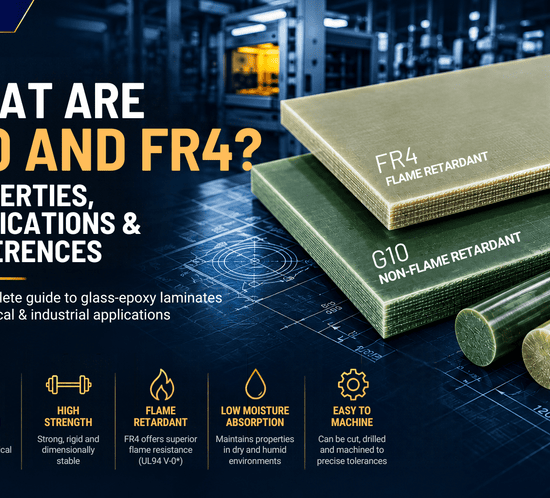
G10 and FR4 glass-epoxy laminates for electrical and industrial use.

What Are G10 and FR4? Properties, Applications and Differences

What Is? • Beginner • 6 - 7 minutes reading⭐ Material SnapshotMaterial Family: Glass-cloth reinforced epoxy thermoset laminateCommon Appearance: Natural green, yellow-green or similar shades depending on grade and manufacturerKey Strengths:High mechanical strengthExcellent electrical insulationGood dimensional stabilityLow moisture absorptionGood chemical resistanceExcellent machinability for many industrial

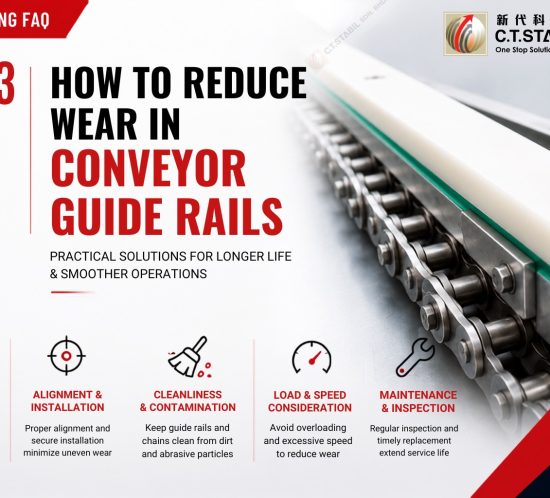
Engineering FAQ #003 – How to Reduce Wear in Conveyor Guide Rails

4 minutes reading.⭐ Quick AnswerIf your conveyor guide rails wear out quickly, the problem is rarely caused by the guide rail material alone.Premature wear is often the result of incorrect material selection, poor chain alignment, excessive load, insufficient support, contamination, or unsuitable operating conditions.By understanding

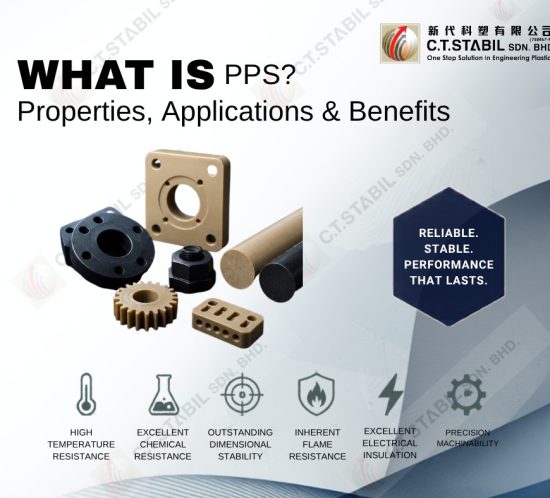
What Is PPS? Properties, Applications and Benefits

6 -7 minutes reading⭐ Material SnapshotMaterial Name: Polyphenylene Sulphide (PPS)Material Family: Semi-crystalline High-Performance Engineering ThermoplasticContinuous Operating Temperature: Approximately 220°CKey StrengthsExcellent chemical resistanceOutstanding dimensional stabilityVery low moisture absorptionInherent flame resistanceExcellent electrical insulationExcellent precision machinabilityCommon ApplicationsSemiconductor equipmentPump and valve componentsElectrical and electronic insulationChemical processing equipmentPrecision-machined industrial partsFood

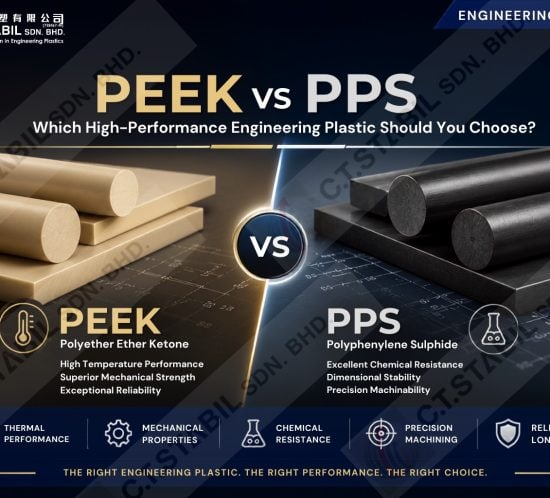
ENGINEERING INSIGHTS: PEEK vs PPS – Which High-Performance Engineering Plastic Should You Choose?

 ⚡ Engineering SnapshotPEEK generally offers higher continuous operating temperatures and greater mechanical strength.PPS excels in dimensional stability and chemical resistance for many industrial applications.Neither material is universally better—the correct choice depends on the operating environment.Engineers should evaluate total engineering value rather than relying solely on

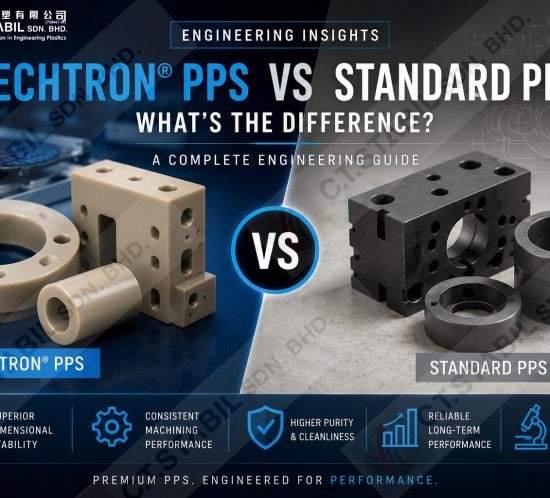
ENGINEERING INSIGHTS: Techtron® PPS vs Standard PPS – What’s the Difference?

 ⚡ Engineering Snapshot Techtron® PPS and standard PPS share the same polymer family, but manufacturing quality, process control, and material consistency can influence real-world engineering performance.Premium PPS grades such as Techtron® PPS are often selected for applications requiring high dimensional stability, consistent machining performance, and reliable

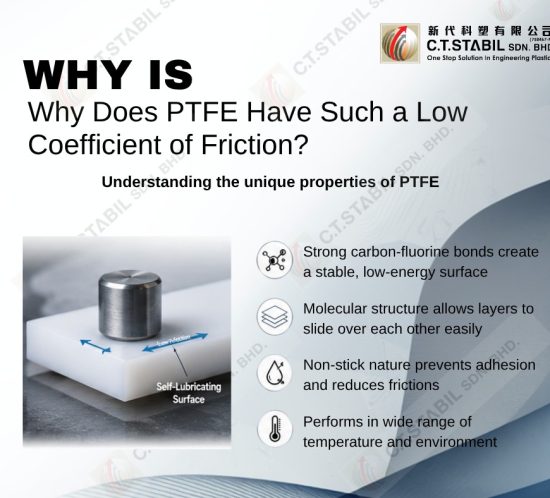
Why Does PTFE Have Such a Low Coefficient of Friction?

5 - 6 minutes reading.Polytetrafluoroethylene (PTFE) is widely recognised as one of the slipperiest engineering plastics available. Its exceptionally low coefficient of friction makes it an ideal material for applications where smooth movement, reduced wear, and minimal resistance are essential.From bearings and seals to sliding